Sleep tips & guides

Best Mattress Firmness for Back and Hip Pain

How to choose the right support for better sleep comfort

Waking up with back or hip pain can make it feel like your mattress is working against you instead of helping you rest.

Many people assume the solution is simple: choose a firmer mattress. But firmness alone doesn’t determine whether a mattress will support your body properly. The key is understanding the difference between how a mattress feels and how it supports your body.
In this guide:

Firmness vs. support: Why the difference matters

One of the biggest misconceptions in mattress shopping is that firmness equals support.

It doesn’t.

  • Firmness, or feel, is how soft or firm a mattress feels when you lie down.
  • Support is how well the mattress helps keep your body aligned and comfortable.

You can have a soft mattress with strong support. You can also have a firm mattress that still doesn’t support your body well. That’s why choosing based on firmness alone can lead to discomfort.

Helpful shopping tip: At Slumberland, we separate mattress Feel from Back Support to make it easier to compare comfort and support needs. Learn more in our Sleep Solutions Glossary.

What to look for if you have back pain

If you experience lower back discomfort, the goal is proper support and alignment. Your mattress should help keep your spine in a more natural position instead of allowing your hips or midsection to sink too far.

For many sleepers, that means looking for a mattress with stronger back support while still choosing a comfort feel that works for your body.

  • Look for stronger back support if you wake up stiff or unsupported.
  • Choose a feel that is comfortable, not just the firmest option available.
  • A mattress that is too soft may allow too much sink.
  • A mattress that is too firm may create pressure or tension.

The right mattress should feel supportive without forcing your body into an uncomfortable position.

What to look for if you have hip pain or pressure points

Hip discomfort is often related to pressure. If a mattress feels too hard, your hips may not sink in enough, which can create discomfort through the night.

This is where many people choose the wrong solution. They move to a firmer mattress for more “support,” but a firmer surface can sometimes make pressure points feel worse.

  • Look for pressure relief through the top comfort layers.
  • Consider a moderate to softer feel if your hips or shoulders feel sore.
  • Make sure the mattress still has enough support underneath.
Think of it this way: Your body may need cushioning on top and support underneath. Comfort and support work together.

For couples: Balancing different comfort needs

If you and your partner prefer different comfort levels, you don’t always have to choose one mattress feel for both people.

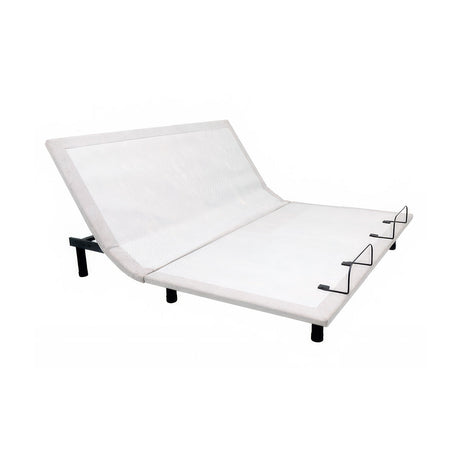
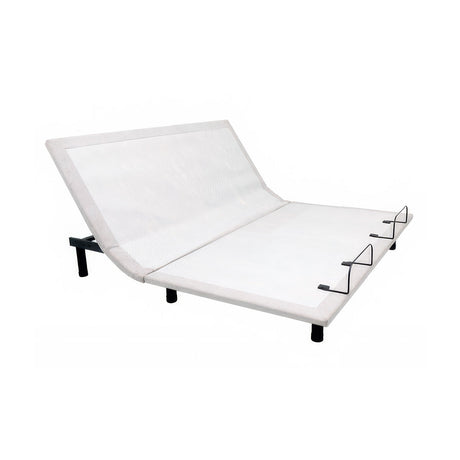
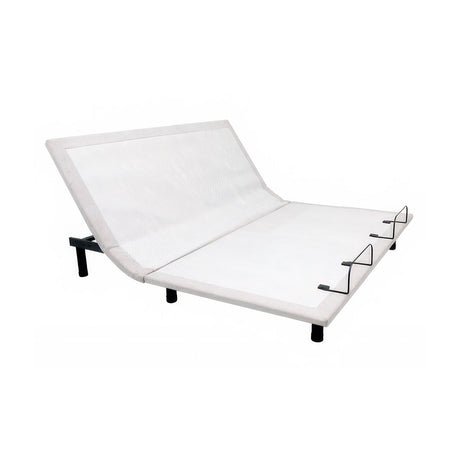
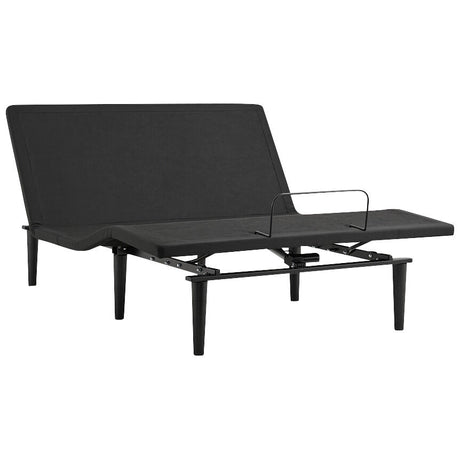
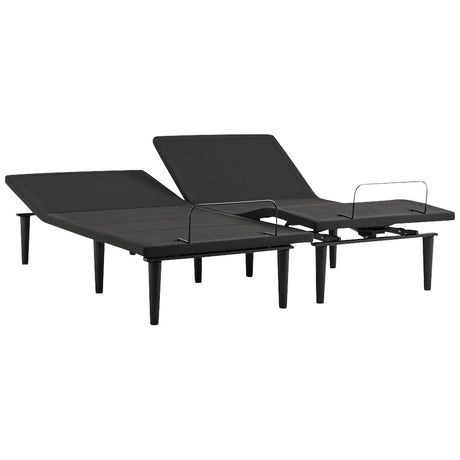
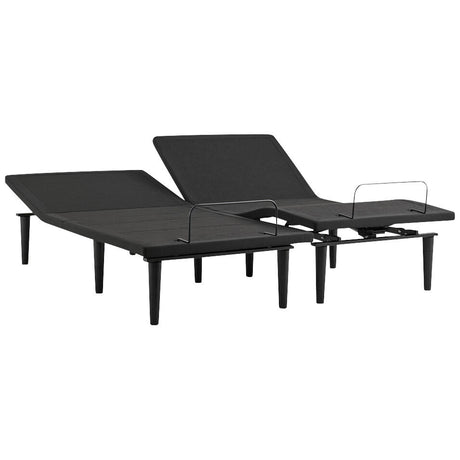
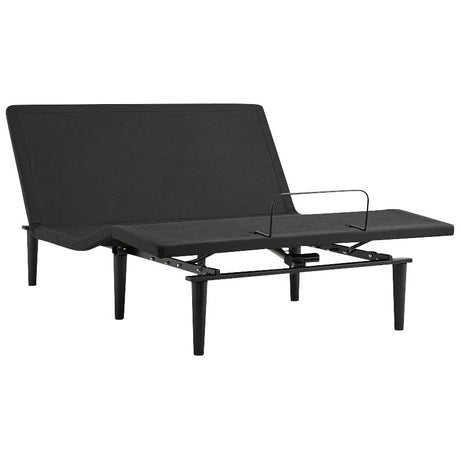
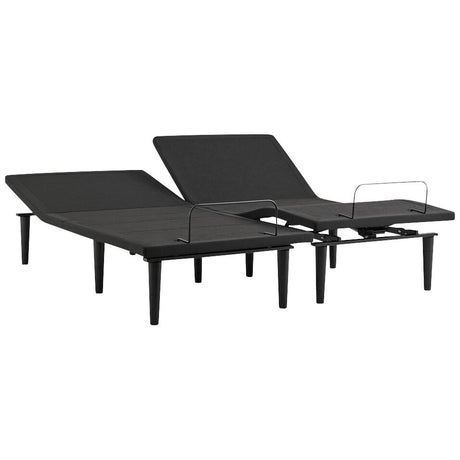
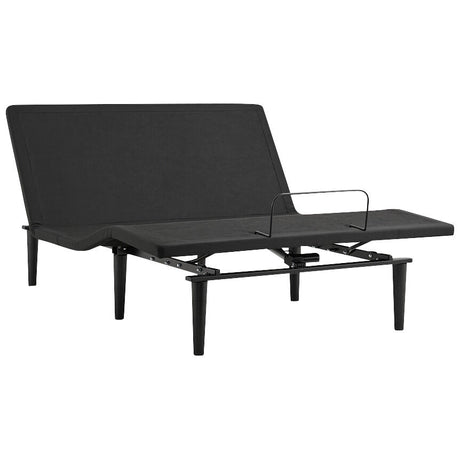
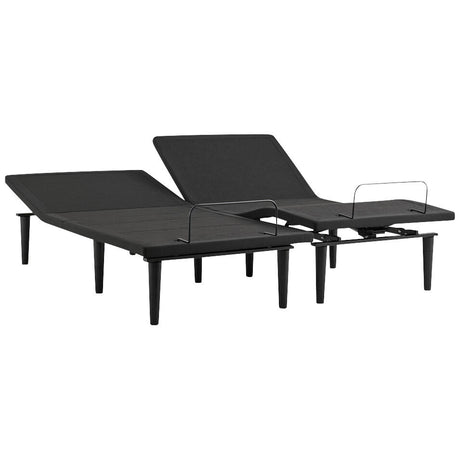
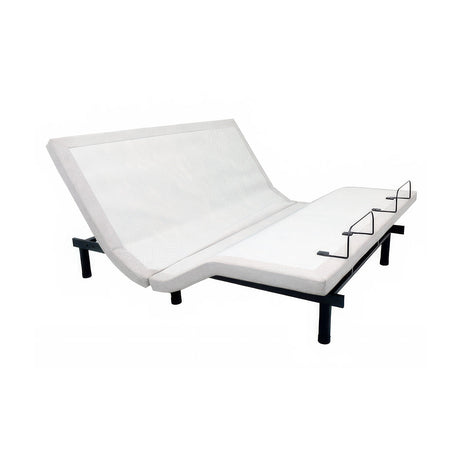
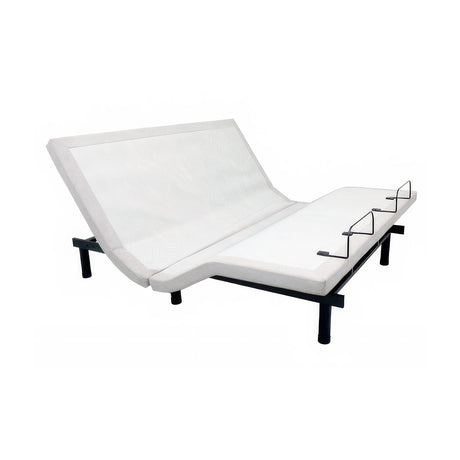
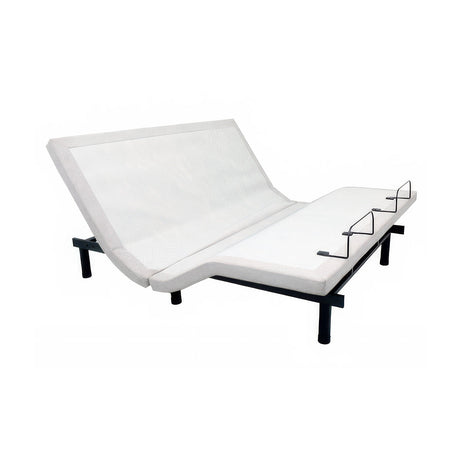
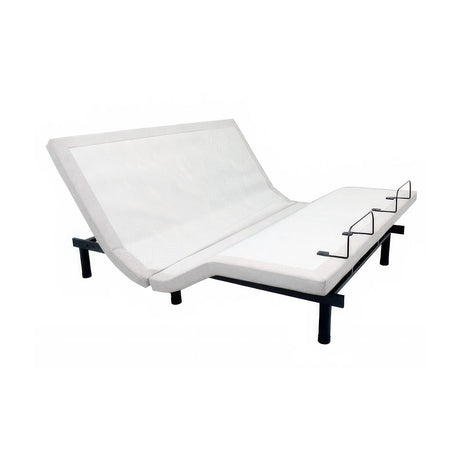
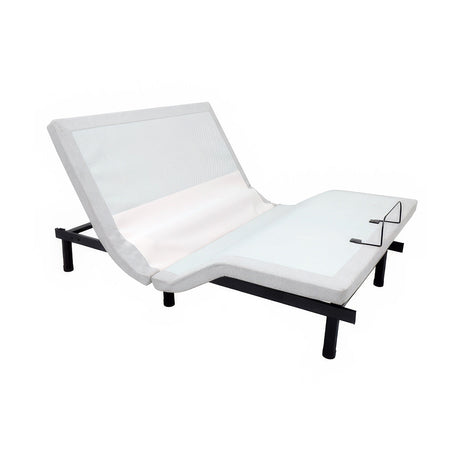
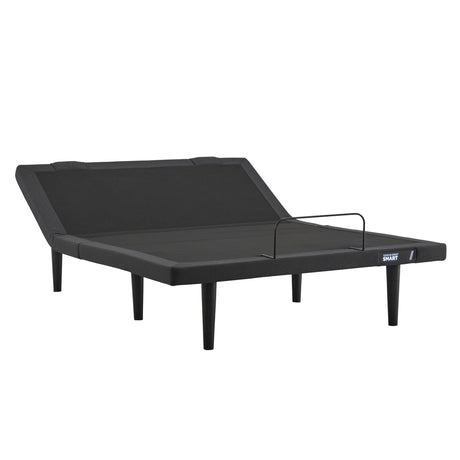
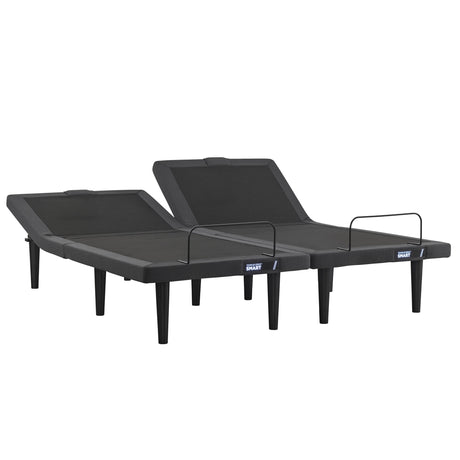
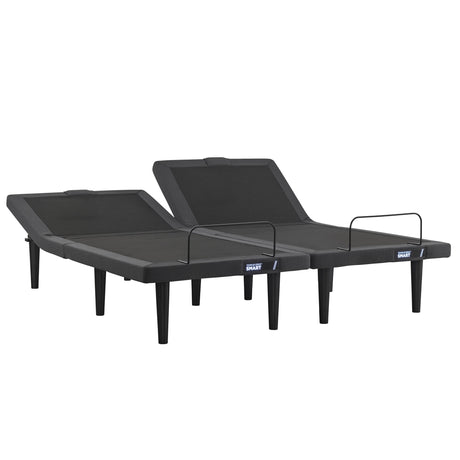
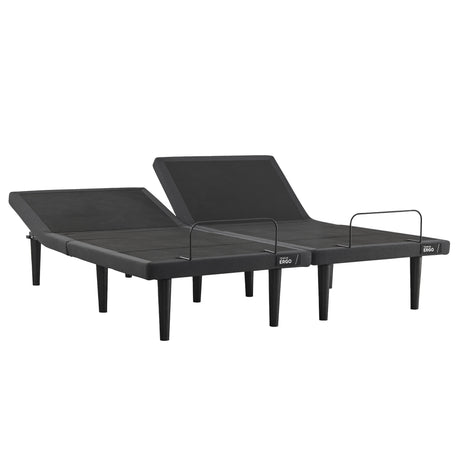
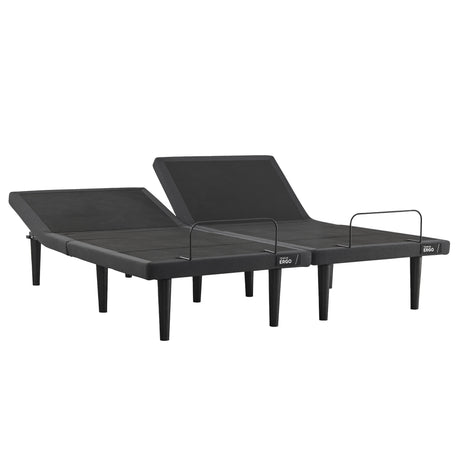
Split mattress setups and adjustable base options can help each sleeper get closer to their ideal comfort. This can be especially helpful when one person needs more pressure relief and the other prefers a firmer feel.

  • Split King: Two Twin XL mattresses side-by-side, allowing each sleeper to choose their own comfort.
  • Split Head King: One shared mattress feel with independent head adjustment on each side.
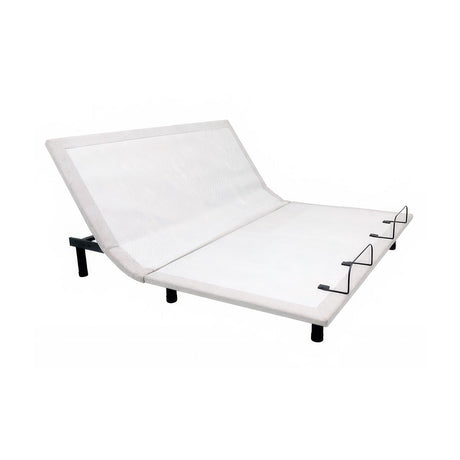
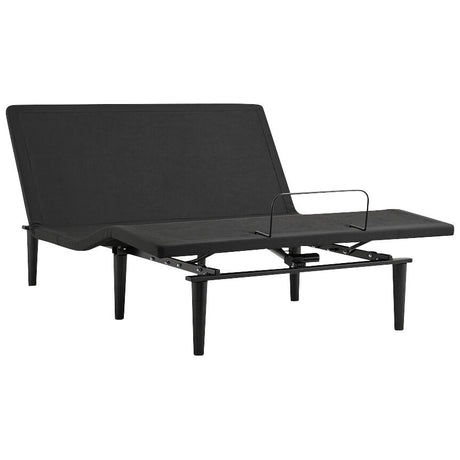
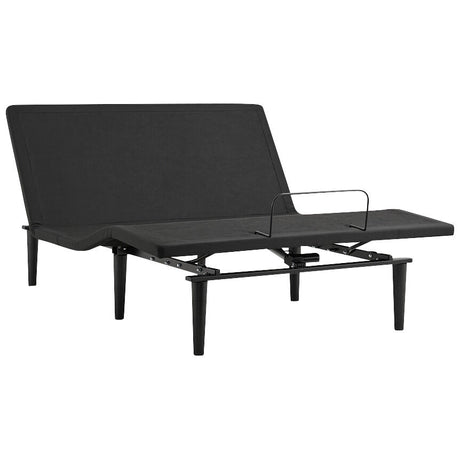
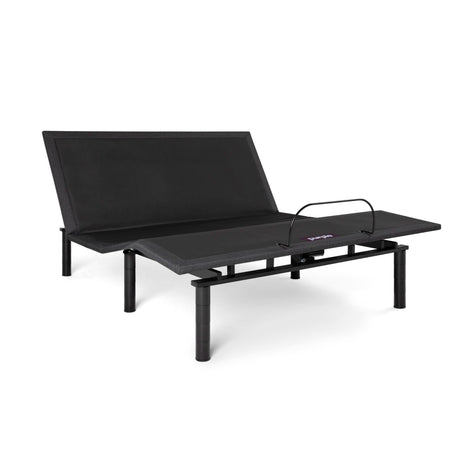
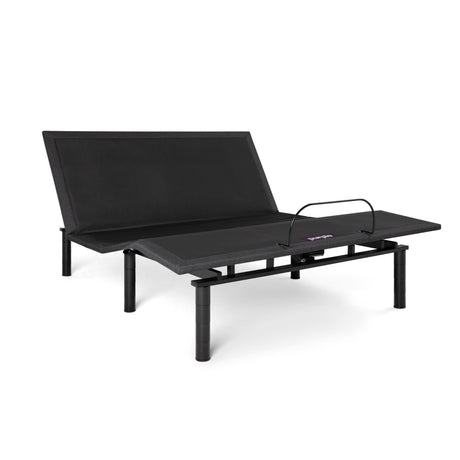
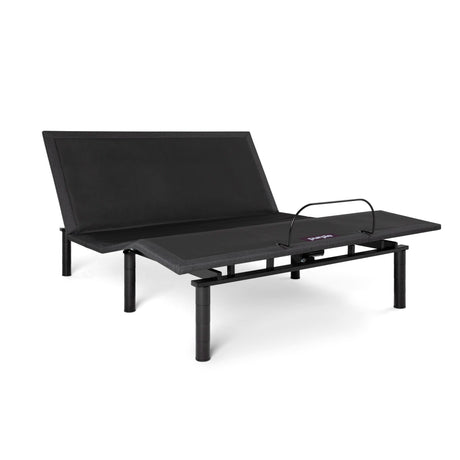
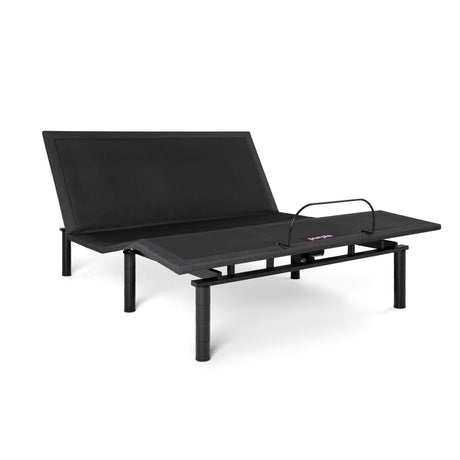
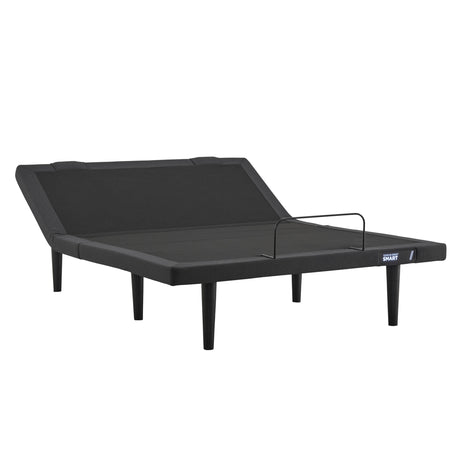
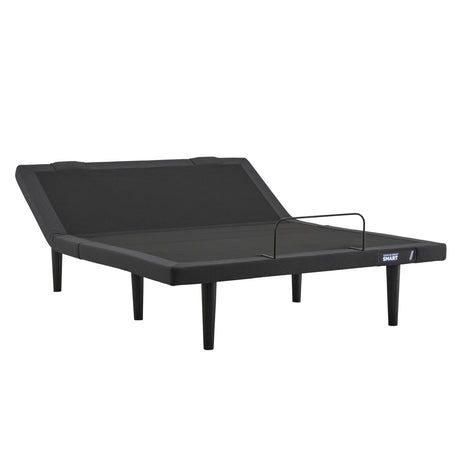
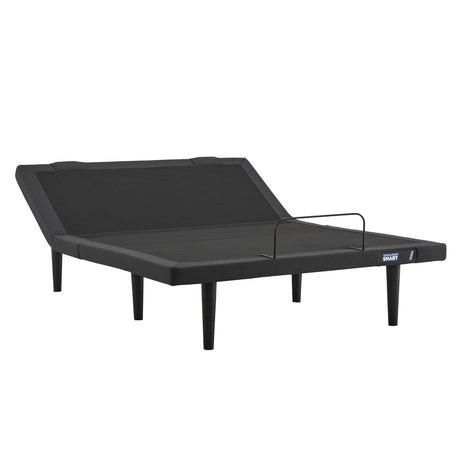
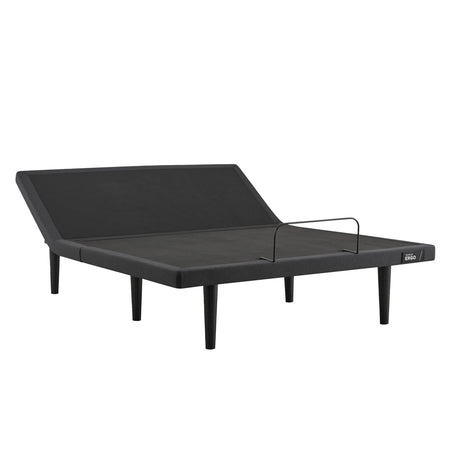
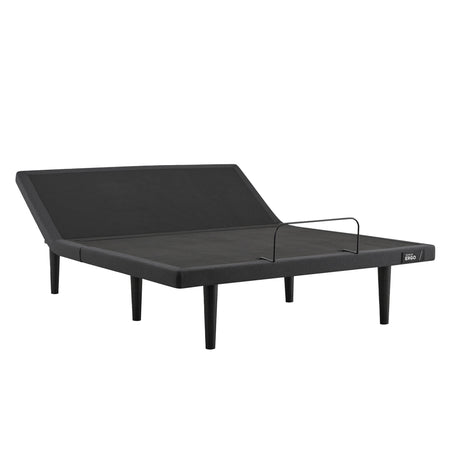
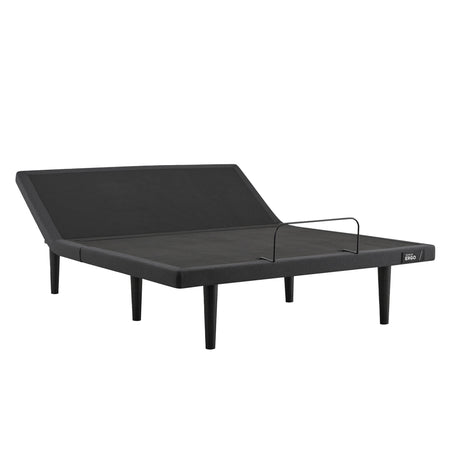
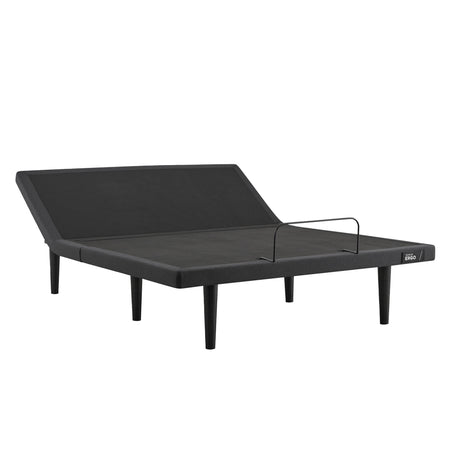
  • Adjustable bases: Helpful for reading, watching TV, reducing snoring, or finding a more comfortable sleep position.

For more options beyond standard sizes, visit our Specialty Mattress Sizes Guide.

How mattress type affects comfort and support

Different mattress types deliver comfort and support in different ways. The right choice depends on how you like your mattress to respond to your body.

Innerspring

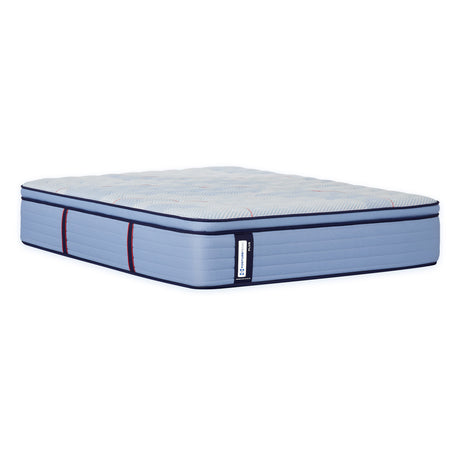
Innerspring mattresses use coils for support and tend to have a more traditional, responsive feel. They may be a good fit if you like a mattress with more push-back.

Memory Foam

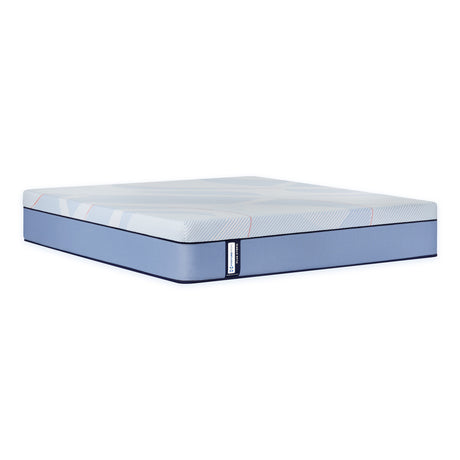
Memory foam mattresses conform more closely to the body and can help relieve pressure points. They may be a good fit for sleepers who want more contouring comfort.

Hybrid

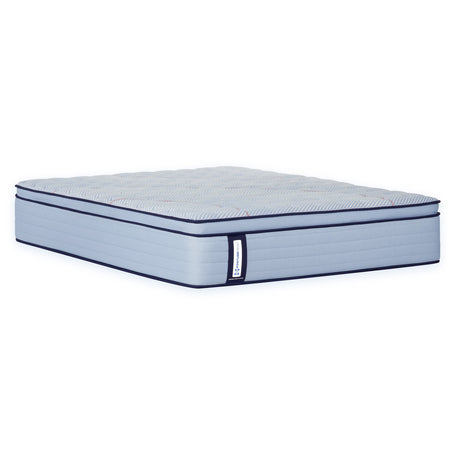
Hybrid mattresses combine coil support with foam comfort layers. They are often a strong option for shoppers who want both support and pressure relief.

Need a deeper breakdown? Our Sleep Solutions Glossary explains mattress types, Feel, Back Support, cooling, motion transfer, and more.

A simple way to evaluate your mattress

If you’re not sure whether your current mattress is working for you, pay attention to how you feel when you wake up.

  • If you wake up stiff or unsupported: You may need stronger back support.
  • If you feel pressure in your hips or shoulders: You may need more cushioning or pressure relief.
  • If you toss and turn trying to get comfortable: Your balance of feel and support may be off.
  • If your partner’s movement wakes you up: Look for motion-reducing materials or split comfort options.

Small differences in mattress construction, feel, and support can make a big difference in how comfortable you feel night after night.

Find the right balance for better sleep

The best mattress for back or hip discomfort isn’t simply firm or soft. It’s the right combination of support, pressure relief, and comfort for your body.
Shop All Mattresses

Not sure what size is right for your space? Visit our Mattress Sizes Explained guide.
Powered by Omni Themes